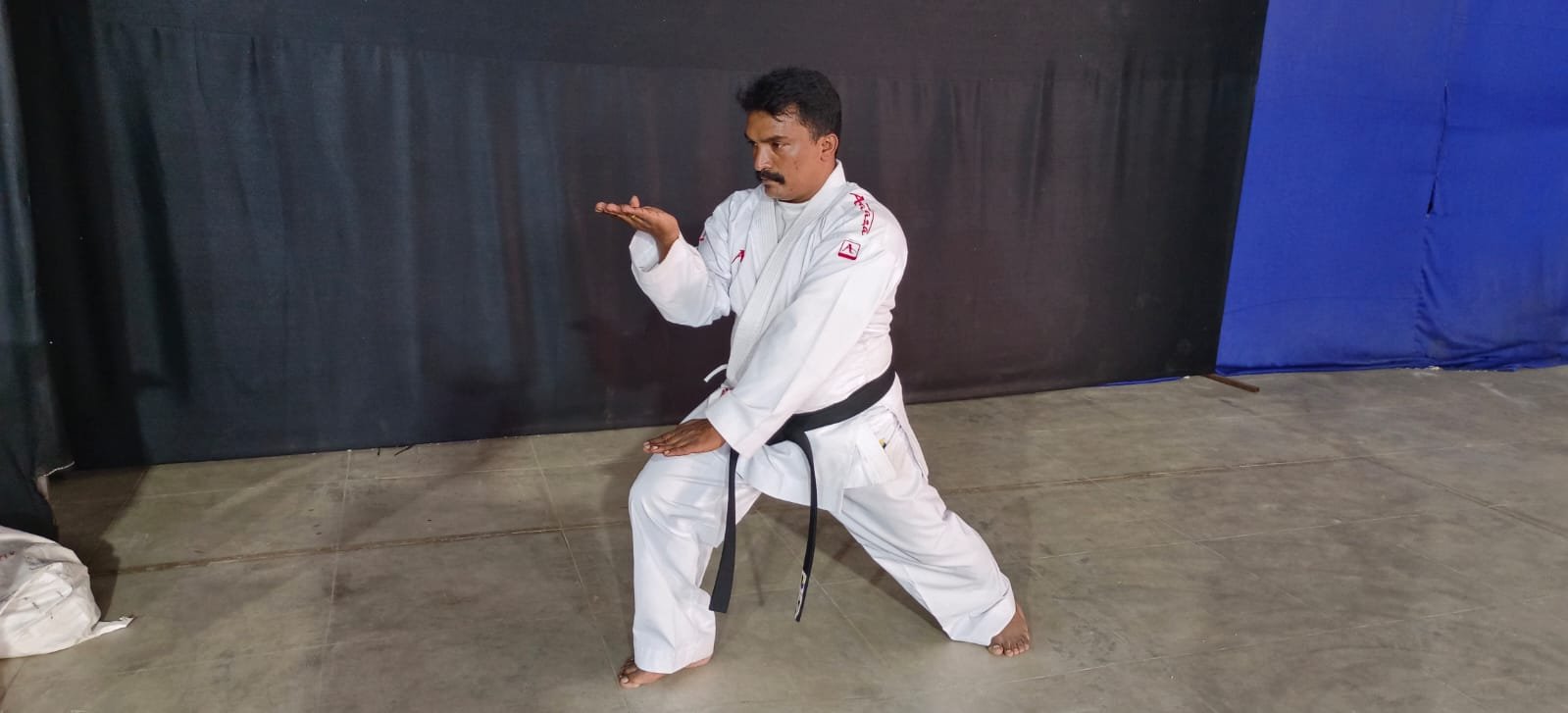
Karate history can be traced back some 1400 years to Daruma, founder of Zen Buddhism in Western India. Daruma is said to have introduced Buddhism into China, incorporating spiritual and physical teaching methods that were so demanding that many of his disciples would drop in exhaustion. In order to give them greater strength and endurance, he developed a more progressive training system, which he recorded in a book, Ekkin-Kyo, which can be considered the first book on Karate of all time.
The physical training, heavily imbued with Daruma's philosophical principles, was taught in the Shaolin Temple in the year 500 A.D. Shaolin (Shorin) kung-fu, from northern China, was characterized by very colorful, rapid, and dynamic movements. The Shokei school of southern China was known for more powerful and sober techniques. These two kinds of styles found কাশী their way to Okinawa, and had their influence on Okinawa's own original fighting method, called Okinawa-te (Okinawan hand).
In summary, Karate in Okinawa developed from the synthesis of two fighting techniques. The first one, used by the inhabitants of Okinawa, was very simple but terribly effective and close to reality. The second one, much more elaborate and impregnated with philosophical teachings, was a product of the ancient culture of China.
The Influence of Master Funakoshi
Master Gichin Funakoshi was the first expert to introduce Karate-do to mainland Japan, in 1916. One of the few people to have been initiated into all the major Okinawan Karate methods, Master Funakoshi taught a synthesis of the Okinawan styles, as a total discipline. This method became known as Shotokan (literally "house/school (kan) of pine waves (shoto - Funakoshi's pen name)"). Because of the great popularity of the style in Japan and, later, around the world, Funakoshi is widely considered to be the "father of modern Karate-do."
 State
State
 National
 World
World